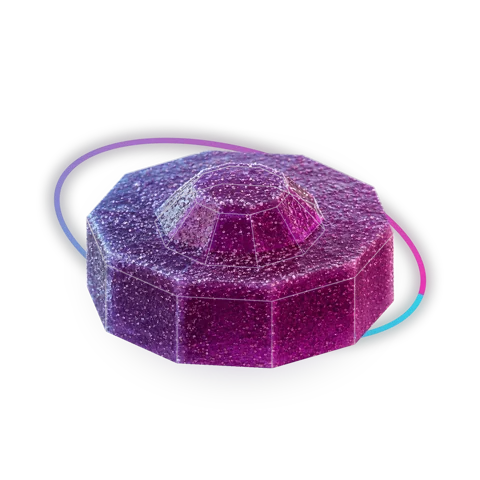
The hemp plant produces over one hundred naturally occurring compounds known as cannabinoids, but three of them dominate the conversation when it comes to hemp-derived gummies: THC, CBD, and CBN. If you have ever stared at a product label wondering what the letters actually mean for your experience, you are not alone. This guide breaks down the science behind each cannabinoid, explains how they differ, and shows why the ratio between them can matter just as much as the individual compounds.
What Are Cannabinoids?
Cannabinoids are chemical compounds that interact with the body's endocannabinoid system (ECS), a vast network of receptors found throughout the brain, nervous system, immune cells, and organs. The ECS helps regulate a wide range of functions including mood, sleep, appetite, pain perception, and immune response. When you consume a hemp gummy, the cannabinoids it contains bind to or influence CB1 and CB2 receptors within this system, producing effects that vary depending on which cannabinoid is involved and how much of it is present.
The three cannabinoids most commonly found in premium hemp gummies are delta-9-tetrahydrocannabinol (THC), cannabidiol (CBD), and cannabinol (CBN). Each one has a distinct molecular structure and a unique relationship with your endocannabinoid receptors, which is why they produce noticeably different effects.
THC: The Euphoric Powerhouse
Delta-9 THC is the cannabinoid most people think of first. It is the primary psychoactive compound in the cannabis plant, and it is responsible for the euphoric, uplifting sensations often described as a "high." THC achieves this by binding directly to CB1 receptors concentrated in the brain and central nervous system. At appropriate doses, users commonly report elevated mood, enhanced creativity, a heightened sense of enjoyment from music or food, and gentle physical relaxation.
In hemp-derived gummies, THC is present at levels that comply with federal law (more on that below). Despite the lower concentrations compared to marijuana-derived products, hemp-derived THC gummies can still deliver meaningful effects, especially for individuals who are newer to cannabinoids or who prefer a milder, more controlled experience.
In the Galactic Jems lineup, Solar Flare is the single-cannabinoid option: 100mg THCA in citrus watermelon, with no CBD or CBN alongside it. THCA is the precursor the plant actually makes, and our FAQ explains how it relates to THC. With nothing else in the formula to account for, it is the simplest of the three to learn from.
CBD: No High, and Still Being Studied
Cannabidiol, or CBD, became one of the most widely sold cannabinoids of the past decade. Unlike THC, it does not bind strongly to CB1 receptors, which is why it does not produce intoxicating effects. Instead it interacts with a broader set of receptors and enzymes throughout the endocannabinoid system and beyond. Its best-established use is as a prescription medicine for specific seizure disorders; beyond that, the research is early. A 2015 review in Neurotherapeutics and a 2019 case series in The Permanente Journal both looked at CBD and anxiety, but a review and an uncontrolled case series are starting points rather than proof, and studies often use doses well above what a typical gummy contains.
People who take CBD often describe it as subtle — nothing like the altered perception THC produces — and some say they feel calmer. That is worth taking for what it is: self-report, without a placebo to compare against. The fair summary is that CBD is non-intoxicating, that most of what it is sold for is still being studied, and that it can interact with some medications, so it is worth checking with a pharmacist if you take any.
CBD is also widely sold alongside THC, on the idea that the two interact — usually filed under the entourage effect. That idea is more contested than it tends to sound, which brings us to ratios.
CBN: A Sleep Reputation Ahead of the Evidence
Cannabinol, or CBN, is widely sold as the "sleepy cannabinoid." It forms naturally as THC ages and oxidizes, and it binds to CB1 receptors with lower affinity than THC. The reputation runs well ahead of the research, though: the study most often cited as proof actually found CBN on its own was not significantly sedating, and good human trials are scarce. We set out the full picture in Does CBN Actually Help You Sleep?
CBN is only mildly psychoactive on its own, which is one reason it is almost always sold alongside THC rather than by itself. Whether that pairing does anything THC would not do alone is exactly the open question.
Stellar Sleep is our CBN product: 100mg THCA with 400mg CBN in a 1:4 ratio, formulated for evening use. We make it because there is a plausible mechanism and customers ask for it, not because the sleep benefit is established — and we would rather you bought it knowing that.
Why Ratios Matter: The Entourage Effect
The term entourage effect was coined in 1998 by Shimon Ben-Shabat and Raphael Mechoulam, originally to describe how otherwise inactive compounds in the body boost the activity of its own endocannabinoids — not how compounds in a cannabis product interact. It has since been stretched to mean that cannabinoids and terpenes work better together, which is a much weaker claim. Our entourage effect article separates what is supported from what is not.
The best-supported part concerns CBD and THC specifically. Some studies have found CBD tempers THC’s intensity, including the anxiety some people feel with THC alone. Others have found no effect, and a few suggest CBD can intensify THC depending on dose and timing. So a 1:1 ratio is a reasonable thing to try if THC alone feels like too much — not a guarantee.
Galactic Jems Nebula Balance is our 1:1: 100mg THCA and 100mg CBD in mixed berry. It is the one we would suggest if intensity is your concern, with the caveat above about how variable the CBD effect is.
The same caution applies to Stellar Sleep. The idea that THC strengthens CBN’s effect on sleep is plausible and widely repeated, but it has not been demonstrated in good human trials.
Choosing the Right Cannabinoid Profile
Put together, that gives you a practical way to choose between them:
- Want the simplest profile? A single-cannabinoid gummy like Solar Flare, with nothing else in it to account for.
- Worried about intensity? A 1:1 THCA and CBD formula like Nebula Balance is the usual suggestion, knowing that the CBD effect varies from person to person.
- Curious about CBN for evening use? A THCA and CBN blend like Stellar Sleep, with realistic expectations about what CBN has been shown to do.
The world of hemp-derived cannabinoids is rich with possibility, and the science continues to advance. What remains constant is that quality matters: precise dosing, third-party lab testing, and thoughtful formulation are what separate a premium hemp gummy from a generic one. When you understand what each cannabinoid brings to the table, you can make informed choices that align with your goals and your body's unique chemistry.
Ready to explore the full spectrum of cannabinoids?
Shop the Collection